Getting locked out of your business is a test of planning and patience, and picking a trusted local locksmith pays off in minutes saved and stress avoided. This guide focuses on selecting a trusted 24 hour locksmith Orlando for business and office lockouts, with practical advice from field experience. If you want to turn a stressful lockout into a short interruption, this article will steer you to the right pros and practices.

Why choosing a trusted locksmith near me changes the outcome for business lockouts.
Office doors, reception areas, and server rooms present different risks than residential locks. An experienced commercial locksmith knows to prioritize access to critical areas, document entry for liability, and work with property managers when keys, master systems, or panic hardware are involved. Choosing a locksmith who can suggest rekeying instead of replacing expensive hardware can save money and restore security fast.
Finding a nearby locksmith quickly without sacrificing quality.
Call signs and promises are easy; verification matters more when your business is locked out. Before giving a location, request a business name, representative name, and the make or color of the service vehicle for personal safety. Verify that the company is licensed where required and carries liability insurance; request a registration or license number if applicable. If you can, request a rough price range for the specific job - rekey, non-destructive entry, or full replacement - and whether the quote includes travel or emergency fees.

What to expect during a commercial locksmith visit, step by step.
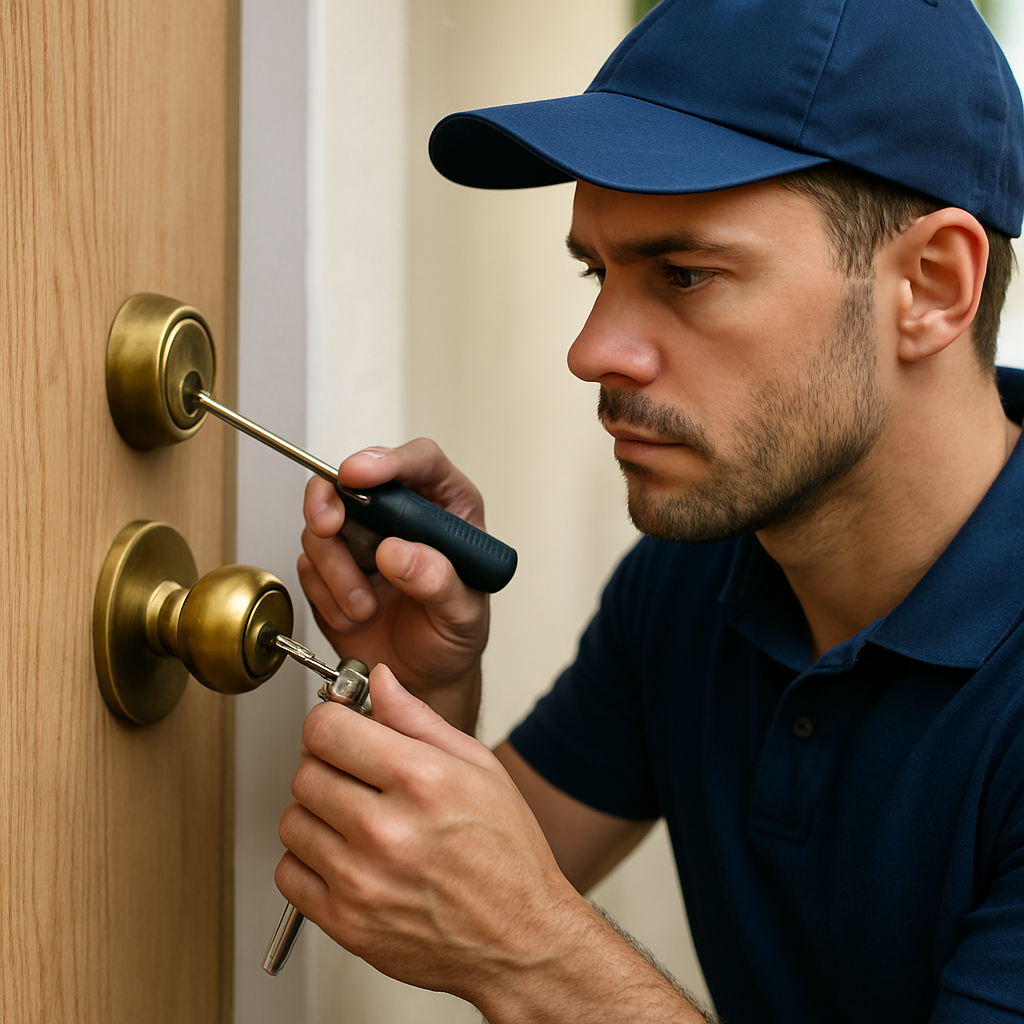
Expect the locksmith to request proof that you are authorized to grant access, such as an ID, storefront lease, or a manager on site. After verification, they will choose a non-destructive method when practical, like lock picks, bypass tools, or impressioning, to avoid unnecessary hardware replacement. Complex jobs, such as magnetic locks or integrated access panels, require diagnostic time and may need parts or vendor support. Throughout the call, ask the tech to document the work, explain warranties on parts, and provide a written receipt with the technician's name and business details.
Pricing expectations for business and office lockouts in Orlando.
Emergency calls generally cost more than scheduled service, and rates vary widely based on time, complexity, and parts needed. Picking a standard office cylinder could be relatively inexpensive, but rekeying a suite of locks or installing new hardware multiplies labor and parts costs. Clarify if the estimate covers travel, truck roll time, and a minimum labor charge, and whether parts carry a warranty. Avoid technicians who refuse to put any estimate in writing or who pressure immediate payment without documentation.
Identifying the lock so you and the locksmith know the right approach.
Most office doors use cylindrical or mortise cylinders, which experienced locksmiths handle quickly. Historic mortise bodies and heavy duty hardware require careful disassembly and occasionally custom parts, which adds time. Access control systems, electric strikes, and proximity readers add an electrical diagnosis layer, and the locksmith may need to coordinate with an electrician or the building's security integrator. Panic hardware and fire-rated doors have code implications, so the locksmith must follow safety rules and sometimes get building management sign-off.
Quick triage checklist for the first ten minutes of a lockout.
If the door is not an emergency risk, secure the area and gather authorization documents before the tech arrives. If the hardware belongs to a landlord or shared space, contact them immediately because they might already have a solution. If sensitive areas like server rooms are involved, isolate equipment and do not allow technicians to work unsupervised until your IT staff can be present. Take photos of the door and lock before any work starts, and note the technician's ID and vehicle details for accountability.
Decision criteria for rekey versus replace after a commercial lockout.
Rekeying changes the internal pins of a cylinder so https://jsbin.com/qejunikobi old keys no longer work, and it is cost effective when hardware is in good condition. Replacement makes sense for damaged, corroded, or obsolete hardware, or when an upgrade to a more secure or code-compliant model is needed. Minor mechanical repairs can restore function, but if the mechanism is aged or parts are scarce, repairs may be only a stopgap. Require a comparison that includes expected service life and maintenance implications so you choose based on total cost of ownership, not just the immediate price.
Small operational changes that cut lockout frequency and downtime.
Track keys with sign-out logs, numbered tags, and a single person responsible for issuing them. Store a small number of emergency spares in a tamper-evident lockbox or with building management to save time during future lockouts. Electronic access systems and smart locks allow immediate deactivation and provisioning, which cuts reliance on physical keys. Regular inspections and lubrication of locks prevent many mechanical breakdowns that lead to lockouts.
Working with a locksmith as a long-term partner for your business.
A standing account or maintenance contract often includes quicker dispatch and set rates for routine services. Confirm whether the vendor will keep keyed-alike records or schematics under secure conditions to accelerate emergency work. Clear terms prevent confusion when fast decisions are required during lockouts. Regular reviews keep the relationship functional and let you adjust priorities as your business evolves.
Final field-tested tips for handling the next emergency locksmith call.
Make a small emergency binder or digital note with IDs and lease or ownership proof for quick presentation. When a locksmith arrives, verify their identity, ask for a written job ticket, and photograph the hardware before work starts. After a service call, evaluate how the technician communicated, whether the work held up, and whether the invoice matched the estimate before deciding on long-term use. Plan ahead with spares, simple maintenance, and a written relationship with one locksmith, and you will convert future lockouts from crises into brief operational bumps.